

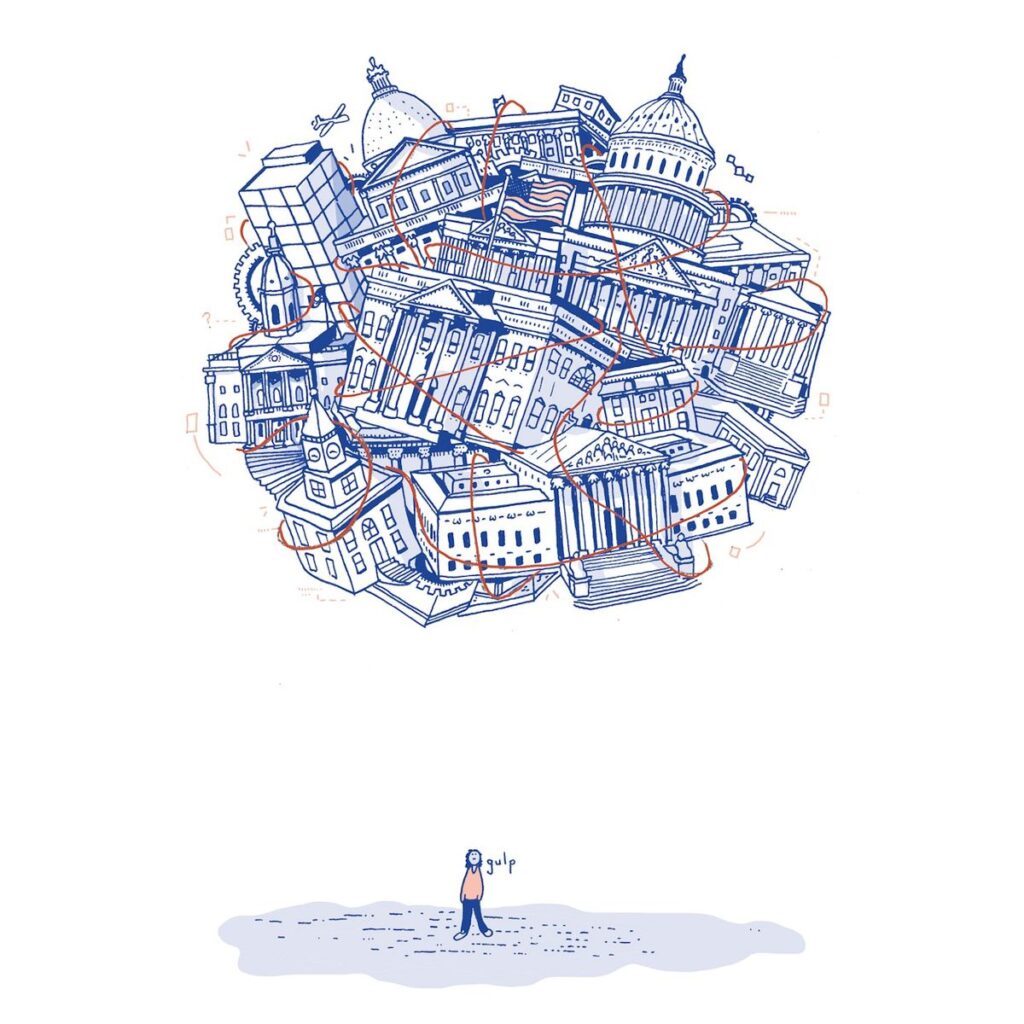
Clinical medicine addresses the immediate health needs of an individual. A patient with influenza receives a diagnosis and a targeted treatment plan. Public health, in contrast, operates at the scale of entire populations, implementing systems designed to prevent that influenza outbreak from occurring in the first place. It is a discipline focused on upstream intervention, shifting the framework from individual treatment to the systematic protection of community health through organized, evidence-based efforts.
The core functions of public health involve assessment of health status, policy development, and assurance. This means understanding health threats, developing policies to mitigate them, and ensuring the services and protections necessary for a healthy populace are in place. Interventions ranging from motor vehicle safety regulations to vaccination policies are not isolated initiatives but rather integrated components of a complex health system. This system is engineered to be more effective and equitable than relying on individual curative care alone, serving as the foundation for collective well-being.
Summary
Public health is a systems-level enterprise that prevents disease and protects populations by transforming data into coordinated, equity-focused action. It relies on epidemiology and surveillance for actionable intelligence, addresses social and structural determinants to shape healthier environments, and uses vaccination to build population immunity. Cross-sector collaboration translates evidence into policy and environmental changes, fulfilling core functions of assessment, policy development, and assurance to safeguard community health.
The Role of Epidemiology in Public Health Intelligence
The scientific cornerstone of public health is epidemiology, which analyzes the distribution and determinants of disease and injury in human populations. Epidemiologists investigate the causes and patterns of health events to identify risks and recommend preventive actions. This work moves beyond responding to individual cases to uncover the root causes of health issues, informing strategies that can stop transmission and prevent future occurrences.
This intelligence is gathered through robust disease surveillance systems, which function as the early warning network for public health. Healthcare providers, laboratories, and other partners report data on specific diseases and conditions to public health agencies. This information creates a real-time map of population health, enabling officials to detect an anomalous spike in influenza-like illnesses, trace the source of a foodborne illness outbreak, or identify a cluster of chronic conditions. By analyzing this data, public health authorities can execute swift, protective actions, such as issuing health advisories, deploying mobile vaccination clinics, or implementing regulatory measures to recall a contaminated product. This surveillance function transforms raw data into actionable intelligence, allowing for targeted interventions that protect the community at scale.
Structural Determinants of Health: Shaping Environments for Wellness
Health outcomes are shaped by more than genetics or individual lifestyle choices. The conditions in which people are born, grow, live, work, and age, known as the social and structural determinants of health, are profoundly influential. Factors such as housing stability, access to quality education, neighborhood safety, and the availability of nutritious food create the context in which health is either fostered or diminished, shaping quality of life. These determinants explain why certain communities experience disproportionate rates of chronic diseases like asthma, diabetes, and heart disease.
Public health addresses these foundational issues by working to create environments that promote health equity, which is the principle that every person should have a fair and just opportunity to be healthy. This involves shaping policy and practice in sectors beyond healthcare, such as urban planning, transportation, and education. For example, public health data demonstrating a high incidence of diet-related disease in a specific area can inform zoning policies that incentivize the development of grocery stores in underserved “food deserts.” Similarly, evidence of elevated asthma rates in neighborhoods near industrial corridors can drive advocacy for stronger air quality regulations. By focusing on environmental and policy-level changes, such as designing walkable cities, ensuring access to public transit, and creating safe recreational spaces, public health builds a foundation for well-being and improved health that benefits the entire population.
Population Immunity and Coordinated Disease Prevention
Infectious diseases pose a collective threat that requires a coordinated, population-level defense. The primary tool for building this defense is vaccination, which protects not only the vaccinated individual but the entire community. When a high percentage of a population is vaccinated, it establishes a protective barrier that disrupts the chain of transmission, a concept known as population immunity (or herd immunity).
This collective protection is a core public health strategy for safeguarding those who are most vulnerable, including infants too young to be vaccinated, the elderly, and individuals with compromised immune systems who may not derive a full protective benefit from vaccines. Vaccination policy is therefore not merely a matter of personal choice but a critical component of public infrastructure. It is a scientifically validated, systems-level intervention that requires robust supply chains, effective distribution channels, and clear public communication to maintain high coverage rates and prevent the resurgence of vaccine-preventable diseases. This coordinated effort exemplifies how public health translates scientific tools into broad-scale protection.
Translating Data into Policy and Action
The process of transforming a public health concern into official policy begins with data. A pattern of pedestrian injuries near a school, for instance, is not just a series of unfortunate events but an evidence base for intervention. Public health analysts use this data to define the problem, identify risk factors, and propose solutions grounded in evidence. This analytical work provides the objective foundation needed to advocate for policy change.
This evidence is then used to engage municipal leaders, community organizations, and the public, turning a statistical problem into a compelling case for action. The collaboration between public health officials, city planners, and transportation engineers can lead to evidence-based policy changes, such as the implementation of traffic-calming measures, the installation of a new crosswalk, or the redesign of an intersection. This process, from data collection and analysis to policy implementation and evaluation, demonstrates the systems-level function of public health: to identify risks, build consensus, and implement structural changes that create safer, healthier communities.
Conclusion: Public Health as a System of Collective Protection
Effective public health is a coordinated, systems-level enterprise, not a collection of individual lifestyle recommendations. Its purpose is to build a durable framework for population-wide well-being by translating data into policy, shaping environments to promote health, and implementing large-scale interventions that protect the entire community. By focusing on prevention, surveillance, and structural determinants, public health provides a vital, often invisible, shield that ensures long-term population protection and fosters a more resilient and equitable society while improving health status and quality of life across communities.
Q&A
Question: How does public health differ from clinical medicine?
Short answer: Clinical medicine treats individuals after they become ill, offering diagnosis and care tailored to a single patient. Public health operates at the population level to prevent illness in the first place, using systems, policies, and environmental changes. It shifts the focus upstream, from individual treatment to community-wide protection through coordinated, evidence-based action.
Question: What are the core functions of public health, and how do they work together?
Short answer: The core functions are assessment, policy development, and assurance. Assessment gathers and analyzes data to understand health threats; policy development uses that evidence to design strategies and regulations; assurance ensures services, protections, and interventions are implemented effectively. Together, they create a coordinated system, such as motor vehicle safety rules or vaccination policies, that is more equitable and effective than relying on individual care alone.
Question: How do epidemiology and surveillance produce actionable public health intelligence?
Short answer: Epidemiology studies the distribution and causes of disease to uncover risks and root causes. Surveillance systems collect reports from providers, labs, and partners to create a real-time picture of population health. This enables rapid, targeted actions—like issuing advisories, deploying mobile vaccination clinics, or recalling contaminated products—when anomalies or outbreaks are detected.
Question: Why does public health emphasize social and structural determinants, and what does health equity mean here?
Short answer: Health is shaped by the environments where people live, work, learn, and age, factors like housing, education, safety, transit, and food access. These determinants drive disparities in conditions such as asthma, diabetes, and heart disease. Health equity means ensuring everyone has a fair and just opportunity to be healthy, achieved through policies beyond healthcare (e.g., zoning to bring grocery stores to food deserts, stronger air-quality regulations, walkable city design, and safe public spaces).
Question: How does vaccination create population-level protection, and why is it treated as public infrastructure?
Short answer: High vaccination coverage interrupts transmission, creating population (herd) immunity that protects vulnerable groups like infants, older adults, and immunocompromised individuals. Because effective vaccination requires supply chains, distribution systems, and clear public communication, it functions as critical public infrastructure. This coordinated approach prevents the resurgence of vaccine-preventable diseases and safeguards entire communities.